

+617 3163 1188

Credentials, Evidence and Accountability
The accreditation history, evidence methodology and review governance behind the Active Assure framework, set out in the detail a quality manager, clinical director or procurement panel needs to assess it.
What Underpins the Framework
Choosing an external clinical governance framework requires confidence in where it comes from, how it has been developed and the processes that maintain its quality over time. Organisations need to understand the evidence behind the content, who has contributed to and reviewed it, and how it is kept current as evidence and clinical practice evolve.
Active Assure provides transparency around these processes so clinical leaders, quality and governance teams, and procurement decision-makers have the information they need to assess the framework for their organisation.
Accreditation experience
Active Rehabilitation Physiotherapy has a longstanding history of quality accreditation. The clinical governance systems, processes and resources that underpin Active Assure have been developed and used within our services and have evolved through successive accreditation and quality improvement cycles.
This experience has helped shape how we approach clinical governance in practice, including documentation, clinical standards, risk management, competency, review processes and continuous improvement.
Active Assure draws on this experience to provide organisations with practical governance systems that can support their own quality and accreditation requirements.
How our clinical guidelines, procedures, protocols and competencies are developed
Step 1: Evidence review
Each clinical guideline, protocol, procedure and competency begins with a review of current clinical evidence for the presentation, including relevant national clinical standards, clinical practice guidelines, systematic reviews and primary literature. Sources are recorded as the guideline is written, not retrofitted afterwards. Where evidence cannot be found, expert opinion is relied upon, but noted as such.
Step 2: Clinical drafting
An expert or senior clinician practising in the relevant specialty drafts the relevant clinical document as a complete clinical workflow i.e. assessment and outcome measures, clinical reasoning, treatment planning, expected recovery timeframes, review and progression, and patient communication.
Step 3: Senior clinical review
Every draft is reviewed by at least one other senior clinician for clinical accuracy, currency of evidence, and usability. Review comments and resolutions are retained as part of the document record.
Step 4: Practice testing
Each of the documents are applied in live clinical services before they are finalised. Anything that proves impractical on a full clinical day is revised, because a guideline that clinicians work around provides governance on paper only.
Step 5: Approval and publication
Final guidelines, protocols, procedures and competencies are approved by the clinical lead for the specialty area and published into the library with a version number, approval date and scheduled review date.
Review and currency
Active Assure resources are reviewed against the current evidence base at the time of implementation and are managed through documented version control and a three-yearly review cycle.
Following implementation, organisations remain responsible for maintaining their own clinical governance systems, including the ongoing review and currency of any resources they adopt or adapt.
Who authors and approves our guidelines
Guidelines are authored and approved by AHPRA-registered senior clinicians practising in the relevant specialty area, each carrying post-graduate qualifications and / or extensive clinical experience in the setting the guideline covers.
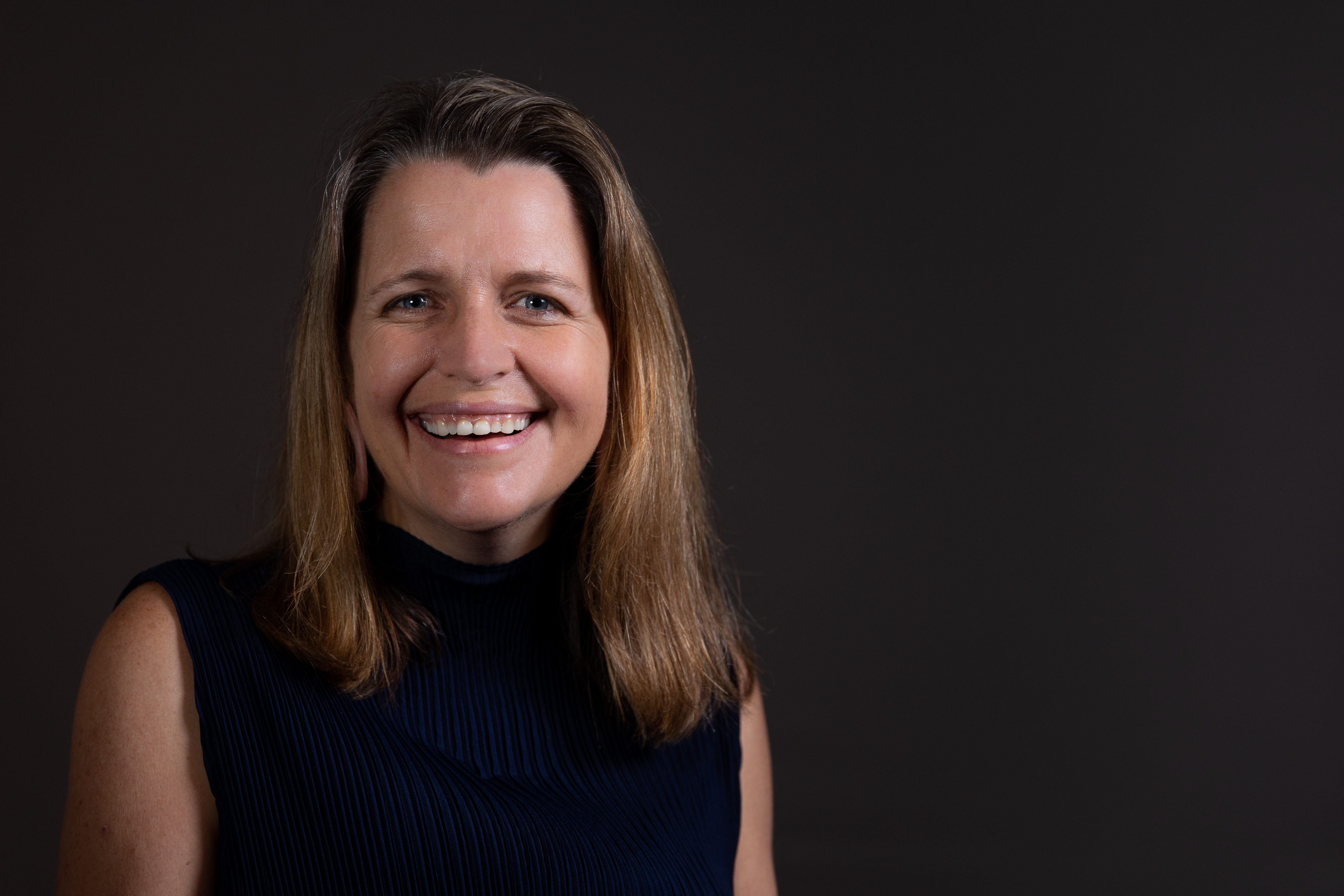
Anthea Goslin
Anthea Goslin is a highly experienced physiotherapist, health service leader and health planner with more than 20 years’ experience across clinical practice, health service management, strategic planning and health-system reform. Her career has spanned public and private healthcare across South Africa, the United Kingdom and Australia, where she has worked in many service types across remote, rural and metropolitan settings.

Dipthi Holloway
Dipthi is a highly experienced physiotherapist and health service leader with more than 20 years’ experience. Her career has spanned diverse areas of physiotherapy practice, clinical and team leadership, health service operations, business development, marketing and strategic planning, giving her a broad understanding of how healthcare organisations function from the clinical frontline through to executive decision-making.
The scale of the library
150+
Evidence-based clinical guidelines
200+
Supporting clinical documents, templates and tools
10+ years
Of continuous clinical use and refinement
3 years
Maximum interval between guideline reviews
The library spans pre-operative, inpatient, outpatient, community and telehealth care, covering musculoskeletal, neurological, oncology, mobility and falls, and post-surgical presentations. A full clinical area index is available on request under confidentiality.
Need this in a submission?
We can provide a capability statement, a sample guideline and our clinical area index for inclusion in tender responses or committee papers. Tell us what your process requires.
Recommendation: build the capability statement as a gated PDF download. It is the single highest-value lead capture on the Stage 1 site — a quality manager downloading it is a live opportunity, and it gives Active Assure a named contact rather than an anonymous visit. Worth adding to the Stage 1 scope if it is not there already.
Ready to strengthen your
clinical governance?
Tell us about your organisation and where your clinical governance currently sits.
We will review it and come back with a clear, practical starting point — no obligation.
We are proud to be associated with:





Services
Contact Us
Active Assure is a service of Active Rehabilitation Physiotherapy. All rehabilitation is delivered by qualified physiotherapists and coordinated within a structured clinical governance framework. Active Connect complements, and does not replace, the care provided by your surgeon and broader healthcare team.


Copyright © Active Rehabilitation Physiotherapy. A registered trademark of JP Fitzgerald Pty Ltd